
By Kaleena Fraga
(to listen to this piece in podcast form click here)
The 116th Congress, set to convene on January 3rd, 2019, is one of the most diverse in American history. One hundred and twenty-three members are women–the largest class of female legislators ever. Some are already social media darlings–Democrat Alexandria Ocasio-Cortez has revolutionized communication strategies by using Instagram live to share her journey; Republican Dan Crenshaw became a household name after being mocked on SNL, then invited to the show to offer a rebuke.

Certainly, as political tides shift and the gaze of the nation turns towards 2020 and beyond, there are names in the freshman class of the 116th Congress to keep an eye on. If the 116th Congress is anything like the 80th, freshmen members could one day ascend to the highest echelons of American political power.
Who were the notable freshmen of the 80th Congress? Among them were two future presidents–Richard M. Nixon and John F. Kennedy. Up to their election, Nixon and Kennedy had led different but parallel lives. Both came to Congress as veterans of the Navy, as men who had lost older brothers, and who had grown up with domineering fathers. Nixon had grown up in a poor family; Kennedy in one of the nation’s wealthiest. Kennedy, at 29, was the same age as AOC. Nixon, at 33, was only a few years older.
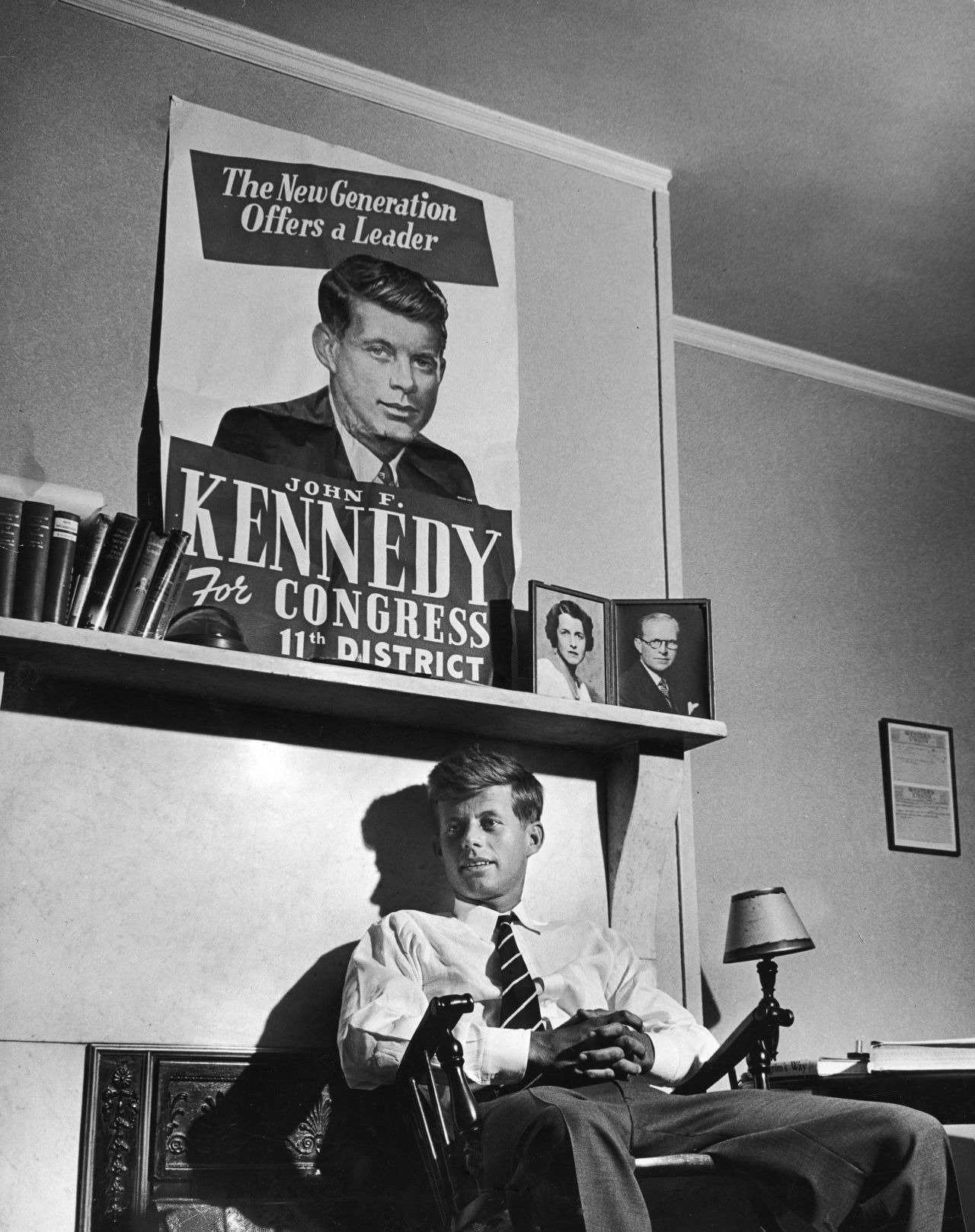
Nixon played an active and public role in the Alger Hiss trial, which would solidify his credentials as a staunch anti-communist. As a freshman, he also traveled to Europe with congressional colleagues to assess the damage in WWII, an assessment which eventually led to the Marshall Plan. Kennedy’s congressional career was much less publicized–he engaged in political battles of the time, but didn’t make a name for himself like Nixon did.
Nixon and Kennedy, who would famously debate each other in first televised presidential debate during the election of 1960, would first debate each other in 1947, over the Taft-Hartley Act. The debate took place in McKeesport, Pennsylvania. The two freshman shared a meal after the debate, and rode the train together back to Washington D.C.–oblivious of their looming, shared future.
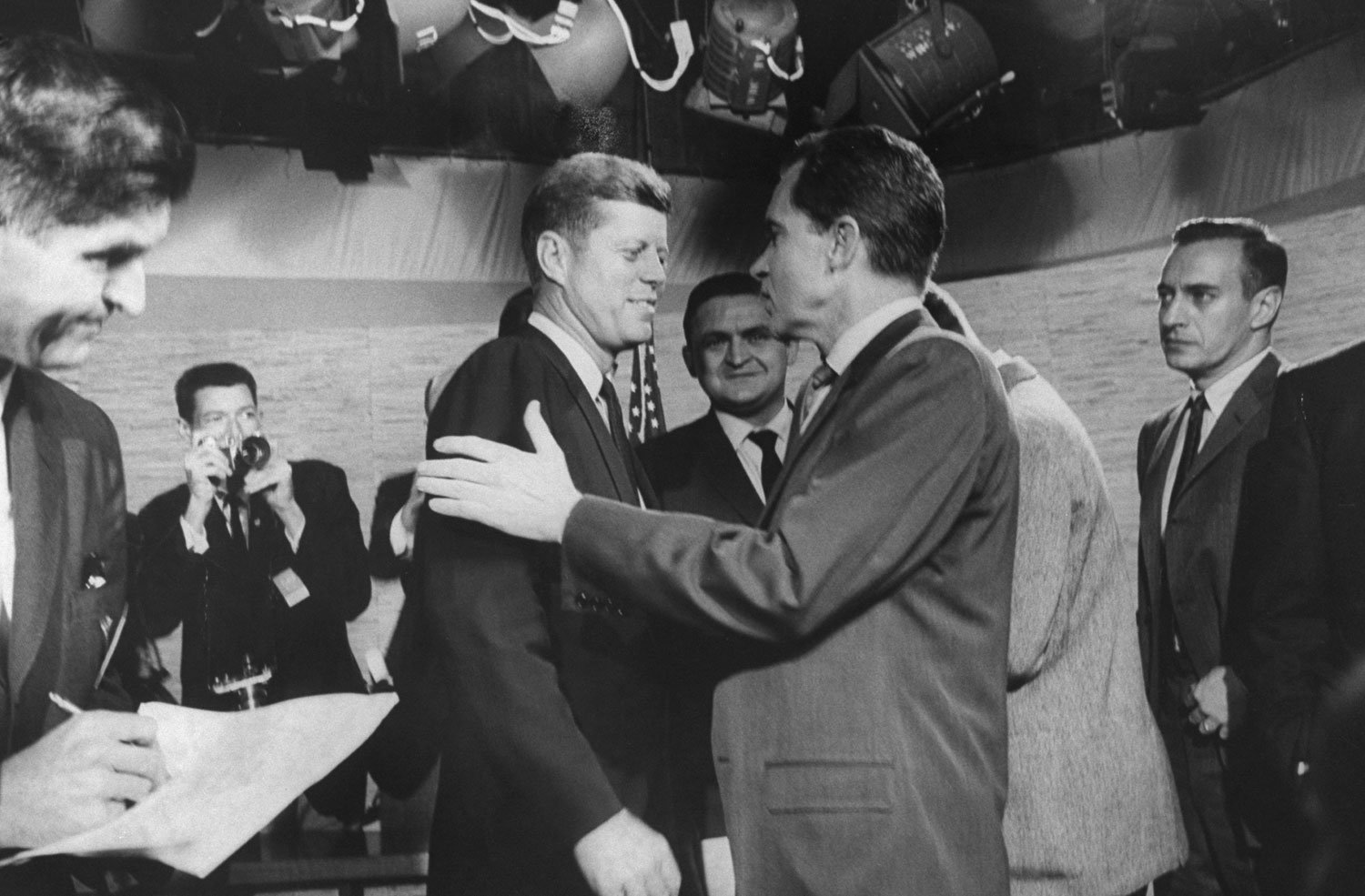
Both men aimed for higher office. In 1950, Nixon went to the Senate. In 1952, Kennedy followed him there. From there, they followed divergent and yet corresponding paths. Nixon would be picked as Dwight D. Eisenhower’s vice presidential candidate in the election of 1952; Kennedy, struggling with health issues, had one of the worst attendance records in Congress, and lost his own bid to become Adlai Stevenson’s running mate.
The rest, as they say, is history. Kennedy would best Nixon in 1960, in one of the closest presidential elections in American history. Kennedy won 49.7% of the popular vote to Nixon’s 49.5%. Only 100,000 votes out of 68 million cast separated the two men. Nixon heard allegations of fraud, but declined to challenge the results of the election–although he nursed a grudge against the Kennedy machine for the rest of his political career.
Kennedy and Nixon sought the highest office in the land only 13 years after their first national election. In a few weeks, the 116th Congress will convene. For all we know, the next Kennedy, the next Nixon, could be in their midst.
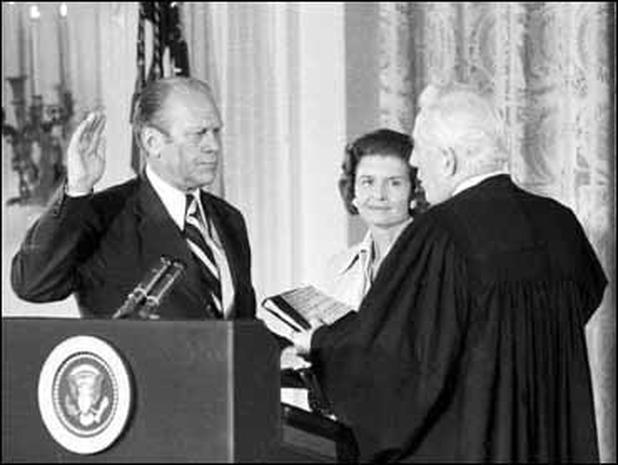
 Ford and his family would not move to the White House until 10 days into his term, and in the meantime Ford would continue to commute from his home in Alexandria, Virginia. The
  words…my fellow Americans, we have a lot of work to do.” To Congress he said, “I do not want a honeymoon with you. I want a good marriage.” Ford, who had climbed the ropes in Washington as a member of Congress, seemed uniquely able to build such a relationship. Yet he would veto 66 bills passed by the Democratic Congress, many of which were then overridden by Congress–the largest percentage of overrides since Congress overrode Andrew Johnson’s vetoes following his unexpected ascension to the presidency.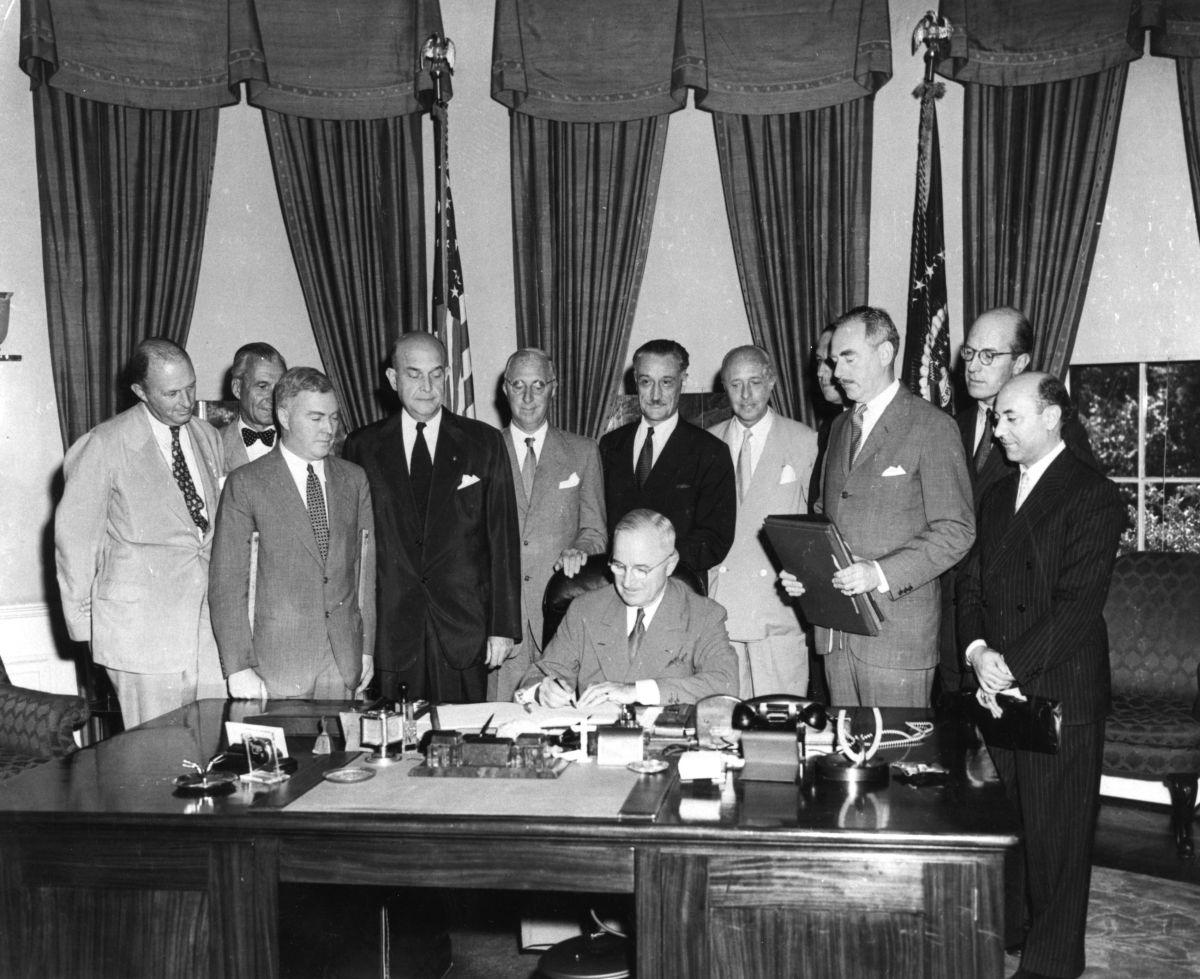

 aggression.”
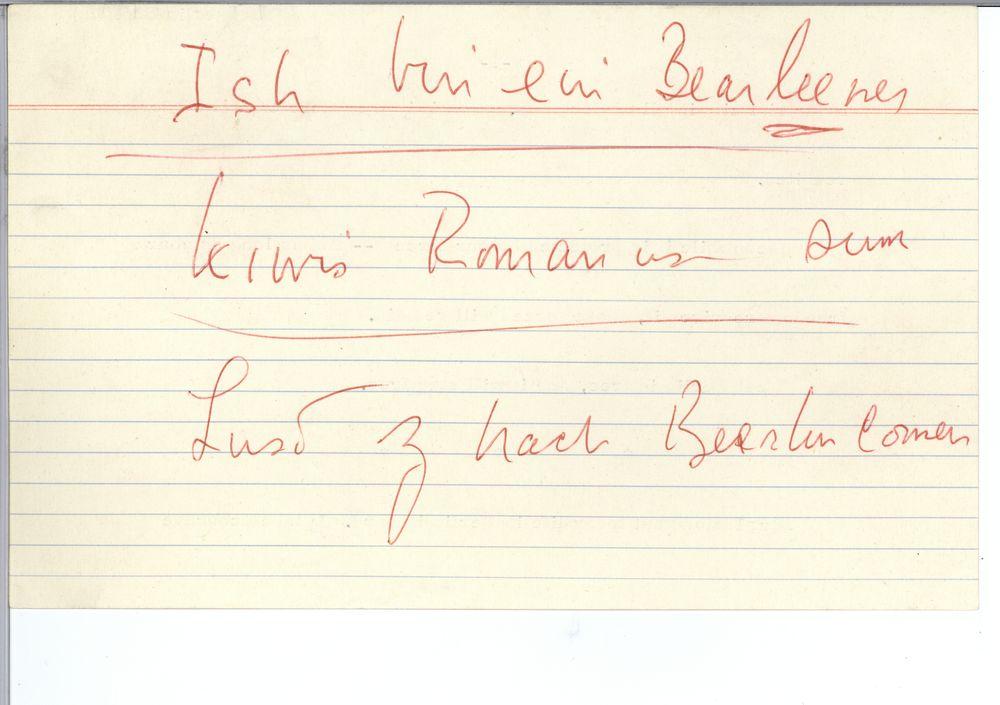

 On this day in 1987, Ronald Reagan famously called on Mikhail Gorbachev to “tear down this wall”–a wall which physically separated East and West Berlin, and symbolized the separation between the Soviet Block and the West.
 Odyssey of George H.W. Bush, was more focused on what could go wrong rather than the symbolic triumph of the West over the Soviets, which led to a contentious exchange between the president and CBS reporter Lesley Stahl.
 History First