
By Duane Soubirous
In celebration of National Poetry Month, History First recognizes Walt Whitman for crafting his observations into poetry, giving future generations of Americans the ability to see Whitman’s time period through his eyes.
Walt Whitman is best known for his poetry collection Leaves of Grass, first published in 1855 with 12 poems. He continuously revised and added to Leaves of Grass throughout his life, and the final 1892 “deathbed” edition consists of almost 400 poems, including “Drum-Taps,” a collection of poems written about the Civil War, and “Memories of President Lincoln,” containing Whitman’s best-known poem, “O Captain! My Captain!”
 In 1842 Whitman attended a lecture given by Ralph Waldo Emerson, where Emerson predicted that America would soon have its own poet who would write about the American experience in a uniquely American style. “When he lifts his great voice, men gather to him and forget all that is past, and then his words are to the hearers, pictures of all history,” Emerson said.
If Walt Whitman believed he could be the “genius of poetry” that Emerson prophesied, few others shared his confidence. The first edition of Leaves of Grass, where Whitman debuted his style, free of the forms that defined poetry, was met with scathing reviews. It sold fewer copies than Whitman had given away. One reviewer called Leaves of Grass “a mass of stupid filth,” and Whitman’s brother even said he “didn’t think it worth reading.” Emerson, however, wrote Whitman a letter of encouragement, praising Leaves of Grass as “the most extraordinary piece of wit and wisdom that America has yet contributed.”
The 1850s were a time of unprecedented divisions in the United States. Northerners denounced pro-slavery laws of Congress and Supreme Court decisions, and Southerners threatened secession over Northerners’ hostility to slavery. Whitman hoped Leaves of Grass would unite the country. “I think that Whitman believed that Leaves of Grass was going to prevent a Civil War,” Whitman scholar Ed Folsom said in the Walt Whitman episode of PBS’s American Experience. “Leaves of Grass is really a book about preserving the Union. It’s a book about holding things together, being able to absorb contradictions and still maintain a single identity.”
Whitman’s poetry couldn’t keep the country together, and the ensuing Civil War hit especially close to home. Whitman read in the papers that his younger brother was a casualty in  the Battle of Fredericksburg, where the Union was badly defeated. Whitman rushed to the battlefield, only to find that his brother was minimally injured. Whitman stayed with his brother for over a week and witnessed the realities of war. “Living so close to the front, to the dressing stations and the hospital tents pitched on the frozen ground, the fresh barrel-stave markers in the burial field, the vexed Rappahannock, and the ruins of Fredericksburg, he saw ‘what well men and sick men and mangled men endure,’” Justin Kaplan wrote in Walt Whitman: A Life. Whitman began writing down these observations, later using them for his “Drum-Taps” poems.
After his experience on the battlefield, Whitman, too old to fight, became a dedicated volunteer in army hospitals. He served the non-medical needs of wounded soldiers, providing them with items like food, linens, stationery, and money. He often wrote letters informing families of a loved one’s death. “In his poem ‘Come Up from the Fields Father,’ Whitman imagined the family that received a letter like those he wrote,” Drew Gilpin Faust wrote in This Republic of Suffering. “It reports his gunshot wound but does not yet communicate the more terrible truth that ‘he is dead already’ by the time the letter arrives. It is a letter that will destroy the mother, as a rifle has already destroyed the son.”
Whitman captured the widespread grief after Abraham Lincoln’s assassination. He wrote “Hush’d Be the Camps To-day” on the day of Lincoln’s funeral. “Whitman speaks as one of the people, leading the soldiers in mourning and urging common men to whom he is so devoted to join him in tribute to ‘our dear commander,’” Faust wrote. Another poem commemorating Lincoln, “O Captain! My Captain!” was written with a rhythm so uncommon to Whitman’s poetry, a democratic style that is accessible to common people. In this poem, Whitman represents “the searing grief of a single man, in a representation of the individual pain of which the cumulative loss is constituted.”
If Irish folklore is to be believed, Irish clans fighting in the old wars had an agreement to spare the poets. “Don’t kill the poets, because the poets had to be left to tell the story,” historian David Blight said. Through Walt Whitman’s poetry, the modern reader can see the total devastation of war and pain of losing a leader and a hero.



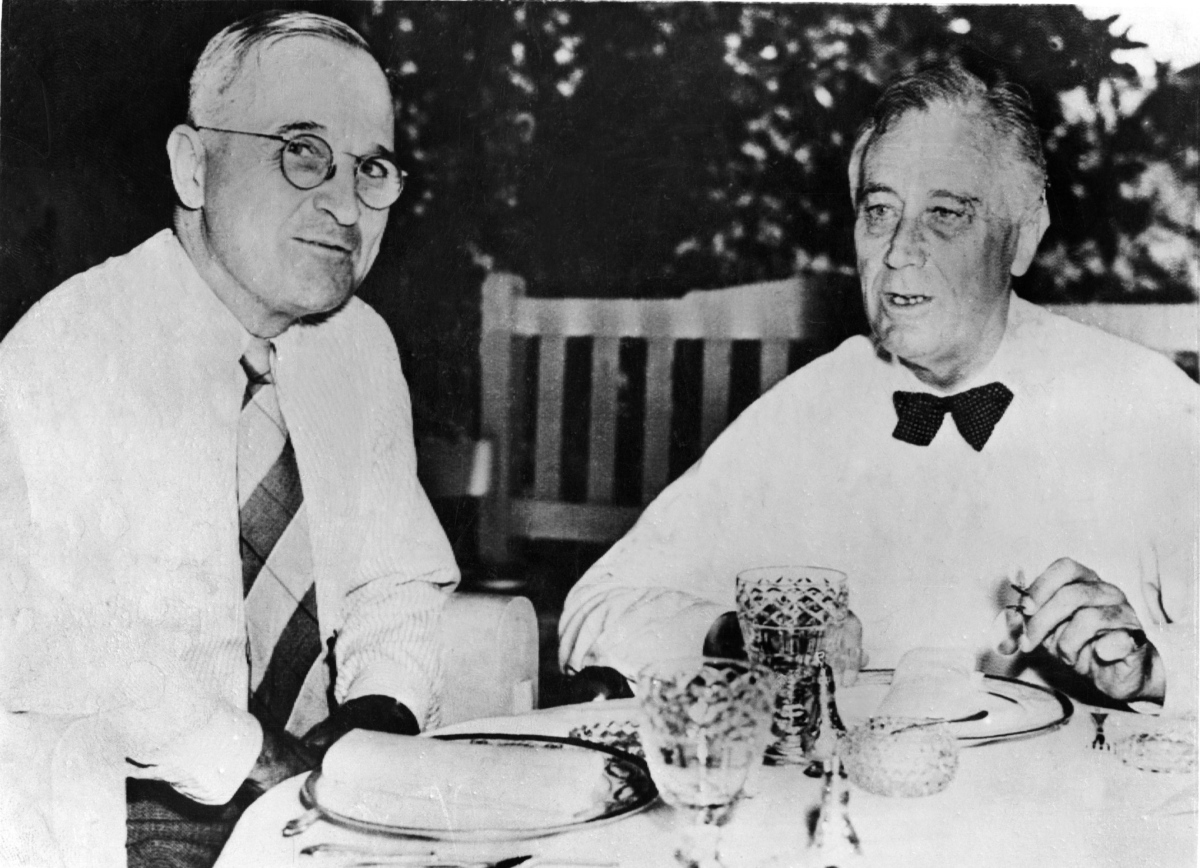
 Schoumatoff was standing at her easel painting the president when something in his demeanor changed. She later recalled: “He looked at me, his forehead furrowed in pain, and tried to smile. He put his left hand up to the back of his head and said, ‘I have a terrible pain in the back of my head.’ And then he collapsed.”
 in his own right. Although his approval rating hovered in the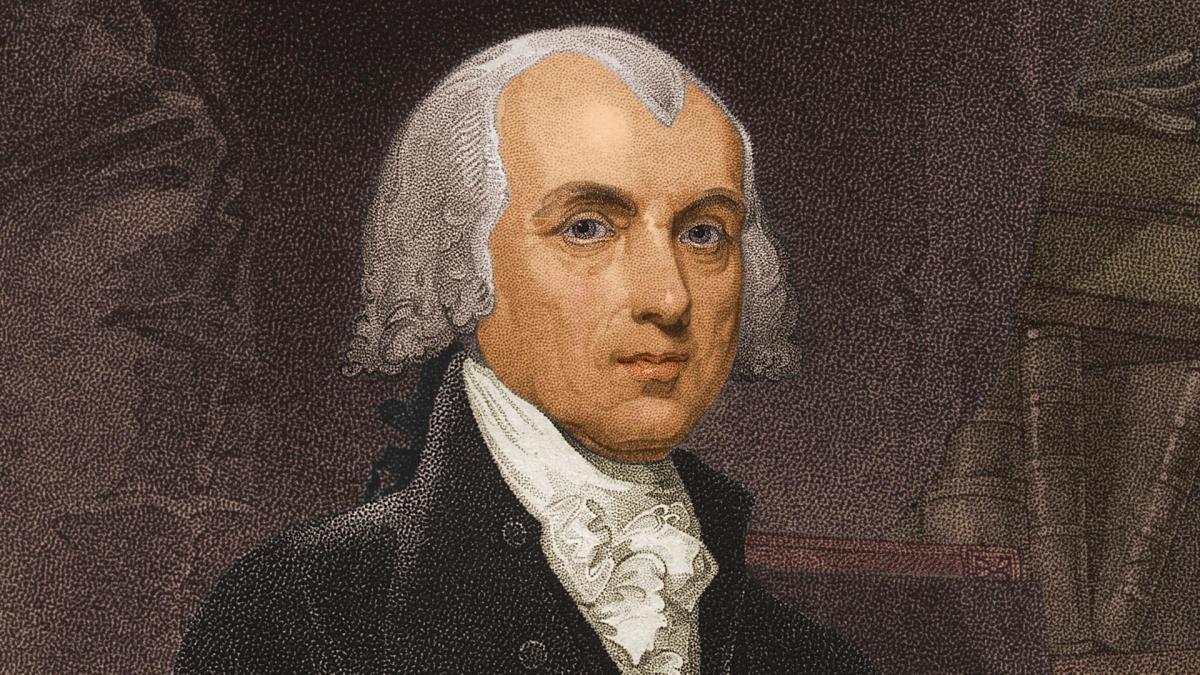


 So it’s worth noting that one prominent conservative, George H.W. Bush, walked away from the N.R.A. in 1995 when he found that their messaging had grown too fiery in the wake of the Oklahoma City bombing. It’s the kind of quiet courage that defined much of his time in public life–and an action that would be met with scorn by many on the right today.
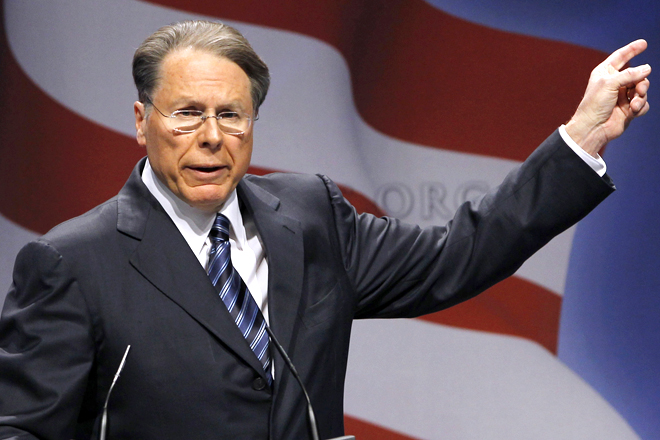 in light of the tragedy, he’d like to take back what he’d said, LaPierre replied, “That’s like saying the weather report in Florida on the hurricane caused the damage rather than the hurricane.”
 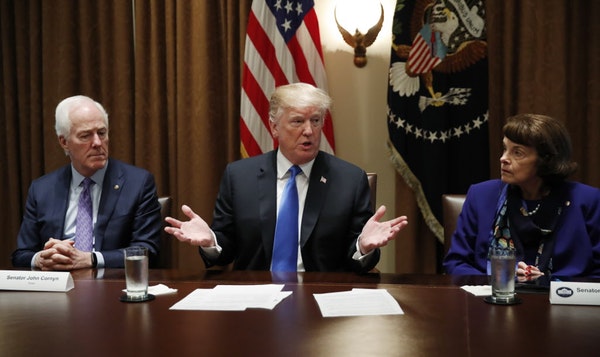 and will do the right thing.” Trump is the
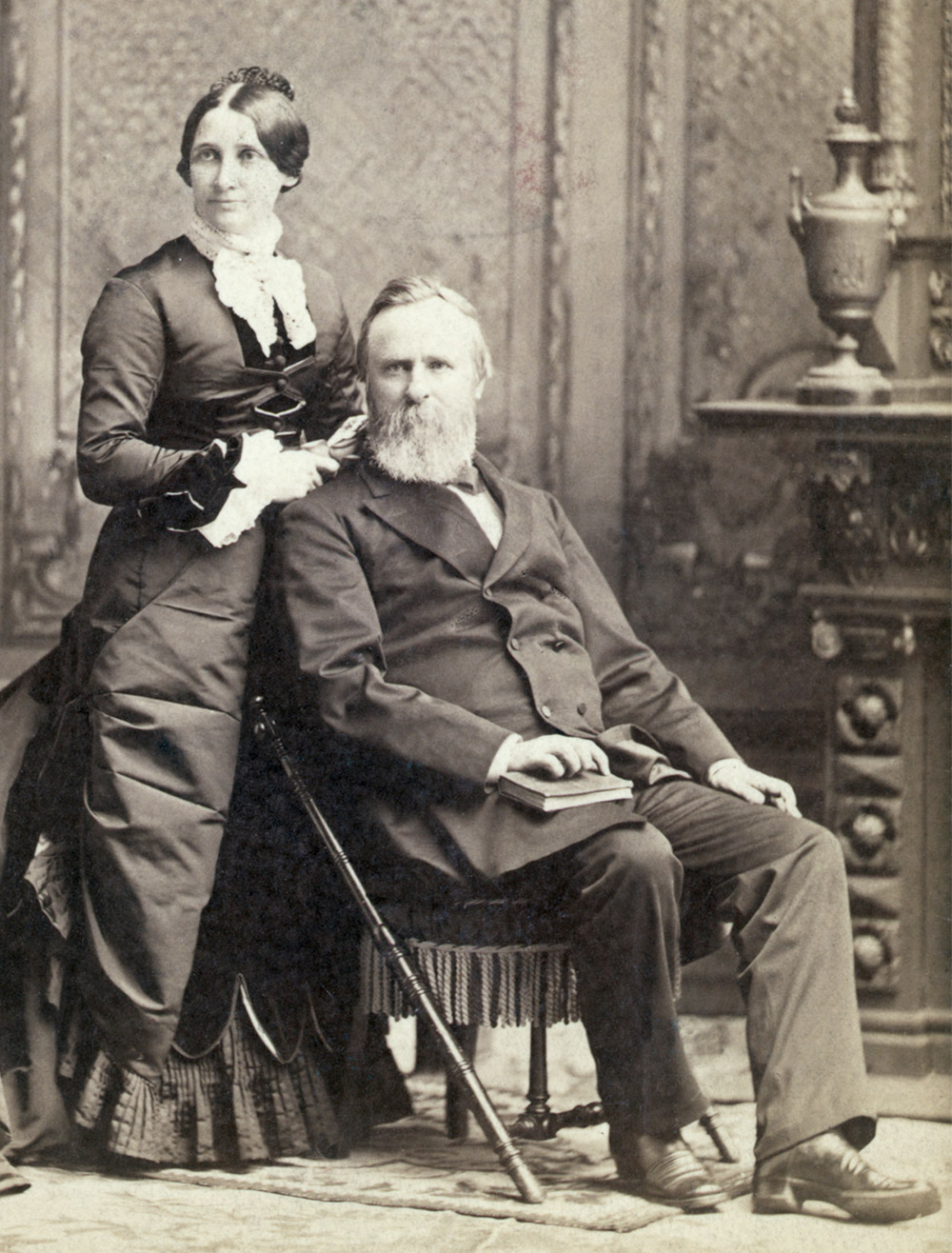 young teenager. Her brothers were studying at the University, and Lucy attended college prep courses. Too young to establish a relationship, they reunited years later when they were both members of a wedding party and married in 1852 when he was thirty and she was twenty-one. Lucy was a major influence on Hayes’ life during his entry into politics. The Ohio-born Hayes followed a fairly typical trajectory to the White House, checking off many of the most common boxes for U.S. presidents—he was educated at Harvard Law School and opened a law practice before serving in the military, then became a Congressman, and then Governor of Ohio. He won the presidency as the Republican nominee in 1876 and moved with Lucy and their family to Washington.
 The “Lemonade Lucy” moniker was not a title used during Lucy’s lifetime, but a name used by journalists, political cartoonists, and historians to poke fun at the strict nature of the First Family of teetotalers. Later historians credited Lucy’s husband with the decision not to serve liquor in the White House. As Emily Apt Greer, author of F
 Edith met Woodrow Wilson during a chance encounter at the White House. His first wife, Ellen, had died of Bright’s disease only seven months earlier. They had a quick and passionate courtship which
  answer to what the government should do if the president became unable to perform his duties. Wilson wasn’t dead, so there didn’t seem to be a reason for the vice president to step into his role. Without the 25th amendment, Congress and the Cabinet had no real power to act (and the extent of Wilson’s condition was kept top secret). To Edith, protective of her husband and his presidency, the answer was clear.
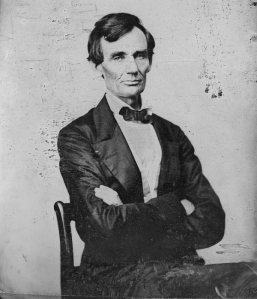 Lincoln wasn’t exactly smitten with Mary Todd. After they got engaged, Lincoln had second thoughts and he tried to get out of their engagement. Several of Lincoln’s friends recollected his misgivings about Mary, which Michael Burlingame documented in his book
  General Ulysses S. Grant at his first appearance in Washington, D.C. as the top general in the Union army. That reception, a journalist noted, was the first time Abraham Lincoln wasn’t the center of attention in the East Room. Grant was elected president in the first election after Lincoln’s assassination. He might have been assassinated with Lincoln on April 14, 1865, if Mary Todd Lincoln hadn’t thrown a tantrum a few weeks earlier in front of Grant’s wife Julia Dent Grant. Even though the morning newspaper reported that the Lincolns and the Grants would attend a showing of
 In David McCullough biography’s of Madison-foe John Adams, the nation’s fourth president is described as “a tiny, sickly-looking man who weighed little more than a hundred pounds and dressed always in black.” When Dolley Madison caught his eye and he asked for an audience with her (bonus trivia: mutual friend Aaron Burr set them up), she wrote her sister that “the great, little Madison” wanted to meet her. Great because of Madison’s political reputation; little because at 5’7, Dolley Madison was several inches taller than her future husband.
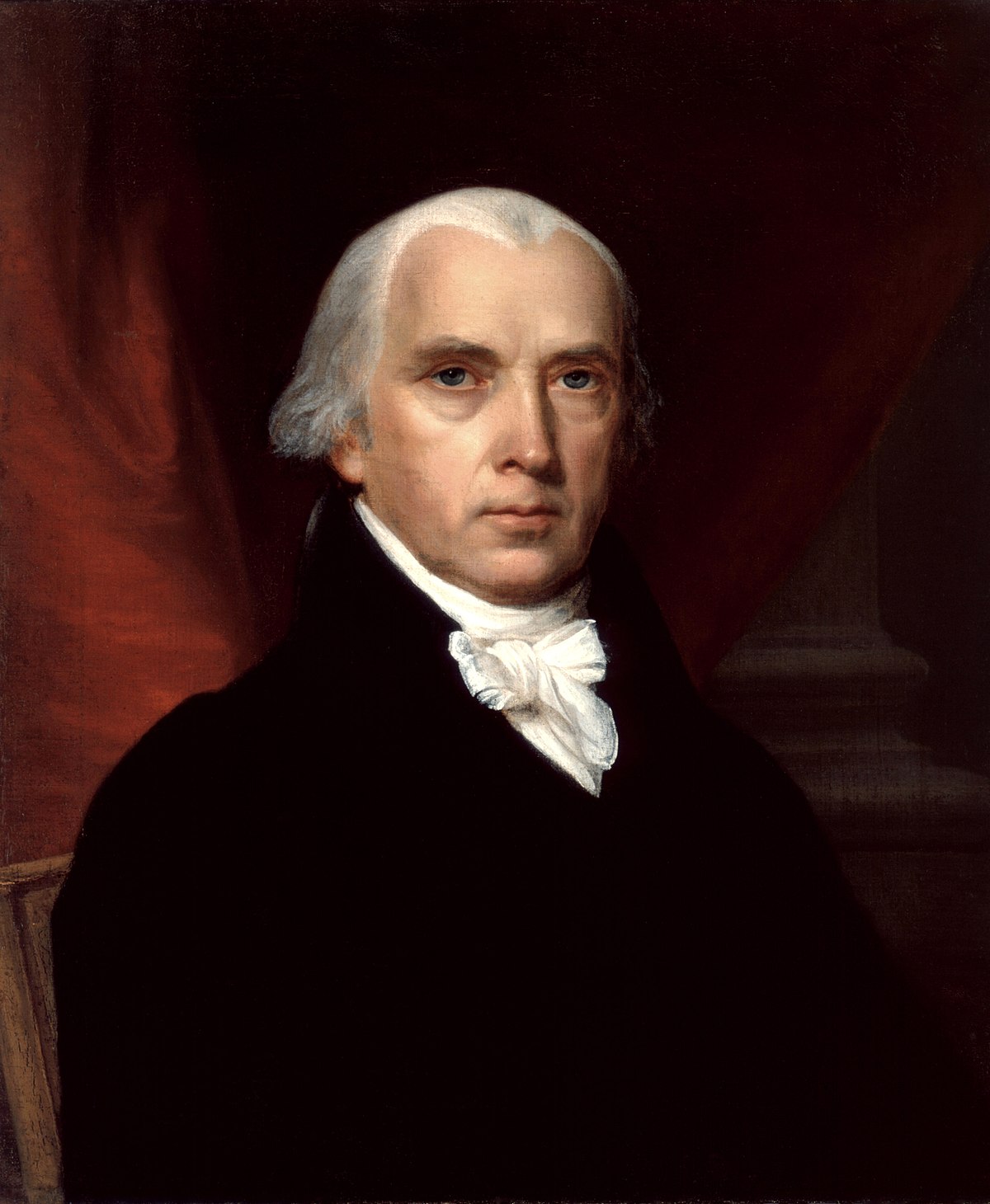 the James Madison biography The Three Lives of James Madison by Noah Feldman, Feldman writes that Dolley was instrumental in forming Madison’s ability to converse with diplomats and their wives. “Under Dolley’s tutelage,” Feldman writes, “Madison developed what would become a lifelong habit of telling witty stories after dinner, the ideal venue for his particular brand of dry wit.”
 wanted to wait for his return. According to an account by Paul Jennings, a man born into slavery at Madison’s estate of Montpelier and then working at the White House, the table had been set for dinner when a rider came charing to the mansion with the message that they must evacuate immediately. Dolley wrote her sister that she insisted on waiting until they could unscrew the portrait of George Washington from the wall.
 History First