By Molly Bloom
Martin Van Buren is generally regarded as a below-average, simply “okay” president and is often overlooked for the two presidents who served contiguous to his term. Andrew Jackson and William Henry Harrison typically garner more attention; the former for his controversial presidency and the infamous Indian Removal Act, and the latter for the shortest presidential term in US history.

Van Buren was the heir apparent to the presidency after a political career culminating with his service as Andrew Jackson’s vice president. Jackson’s support aided Van Buren’s campaign as a member of the relatively new Democratic Party in 1836, leading to his election. However, after a poorly rated presidency that included the “Panic of 1837” economic depression, his 1840 presidential campaign faced considerable opposition. Harrison defeated Van Buren’s run for a second term in 1840 to become the oldest man elected president, and age was a point of contention during his campaign. (Since then, both Ronald Reagan and Donald Trump have been elected in their 70s). Harrison famously delivered a superfluous inaugural address on a frigid day, refusing to wear a coat to demonstrate that despite being 68 years old, he was still robust and fit to serve. He contracted pneumonia during his excessive speech and died a month later.
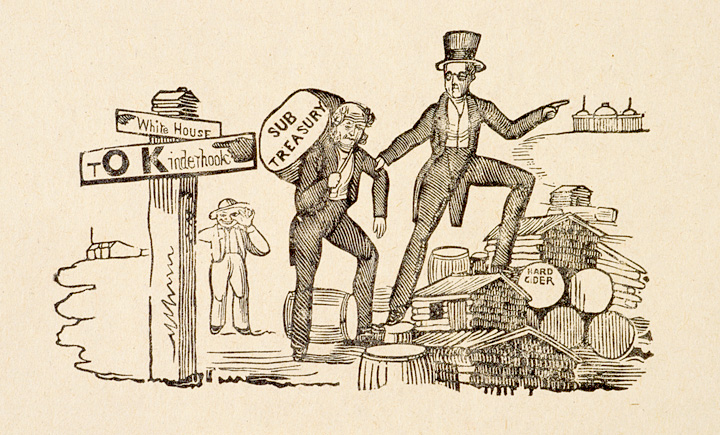
Van Buren’s 1840 campaign is often credited with the origin of the term “OK,” widely popular both then and now; however, the derivation of “OK” is convoluted. Proposed origins of OK range from the Choctaw okeh which holds the same meaning as the modern okay, to the Greek olla kalla, “all good,” to stories of a baker with the initials OK stamping the letters on army biscuits. Allan Metcalf explains in his book OK: The Improbable Story of America’s Greatest Word that OK grew out of a joke written in March of 1839 by editor Charles Gordon Greene in the Boston Morning Post. The joke was that even if a person couldn’t spell “all correct,” they could “o.k.” something to say it was “oll korrect.” OK came out of a time when intellectuals were using wordplay to publish punchy jabs, and abbreviations were becoming popular- precursors to the modern LOL, JK, and even POTUS.
Born in Kinderhook, New York, Van Buren earned the nickname of “Old Kinderhook,” further popularizing the abbreviation “OK.” His Whig opponent, William Henry Harrison, was famous as “Old Tippecanoe” or the “Hero of Tippecanoe” due to his military victory at the Battle of Tippecanoe in 1811. With running-mate John Tyler, Harrison’s campaign song of Tippecanoe and Tyler Too included lyrics criticizing Van Buren, calling him “little.” (Sound familiar?) The song stated, “For Tippecanoe and Tyler too/ And with them we’ll beat little Van, Van, Van/ Van is a used up man.”
OK remained a running theme during the campaign. OK Clubs of Van Buren’s supporters rose up around the country, using the meaning of OK, all correct, to say that voting for Van Buren was giving a stamp of approval. His opponents used the term OK to attack Van Buren, stating that his political ally Andrew Jackson was so unintelligent that he “OK’d” bills during his presidency since he could not properly spell “all correct.” Regardless of the debated origin of OK, Van Buren’s 1840 run certainly helped disseminate the word. OK is used today as nearly any part of speech; as a noun, verb, adjective, interjection, et cetera, and in almost infinite scenarios so that the meaning has a certain amount of ambiguity. Van Buren’s presidency was just OK, or it could have even been considered oll korrect or all correct depending on your point of view, which is ultimately the legacy of Old Kinderhook’s story.



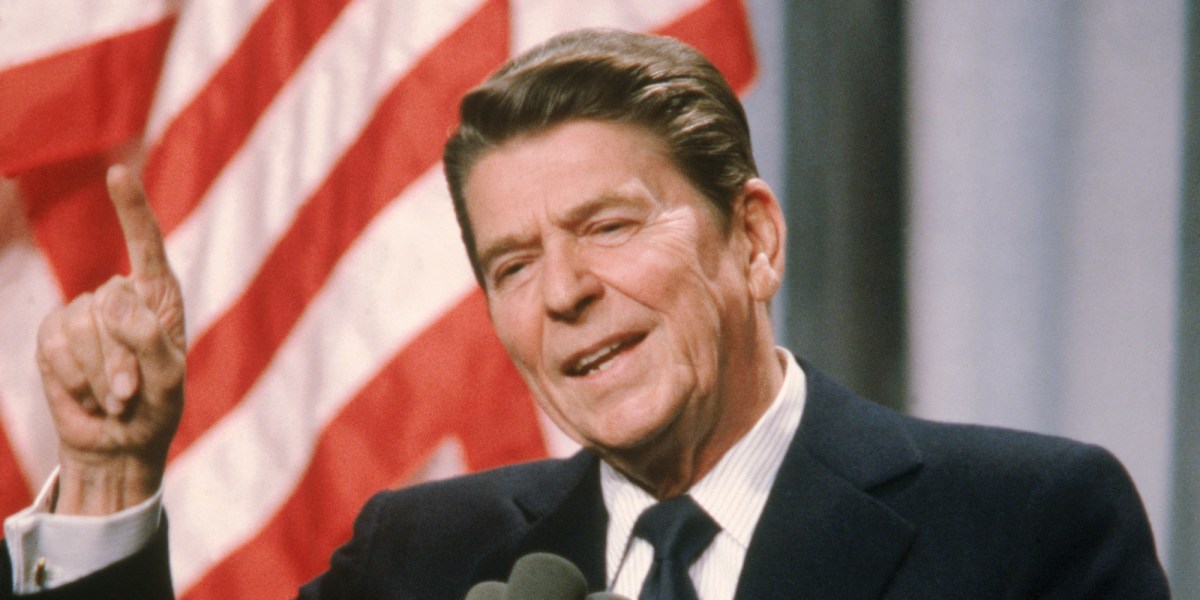
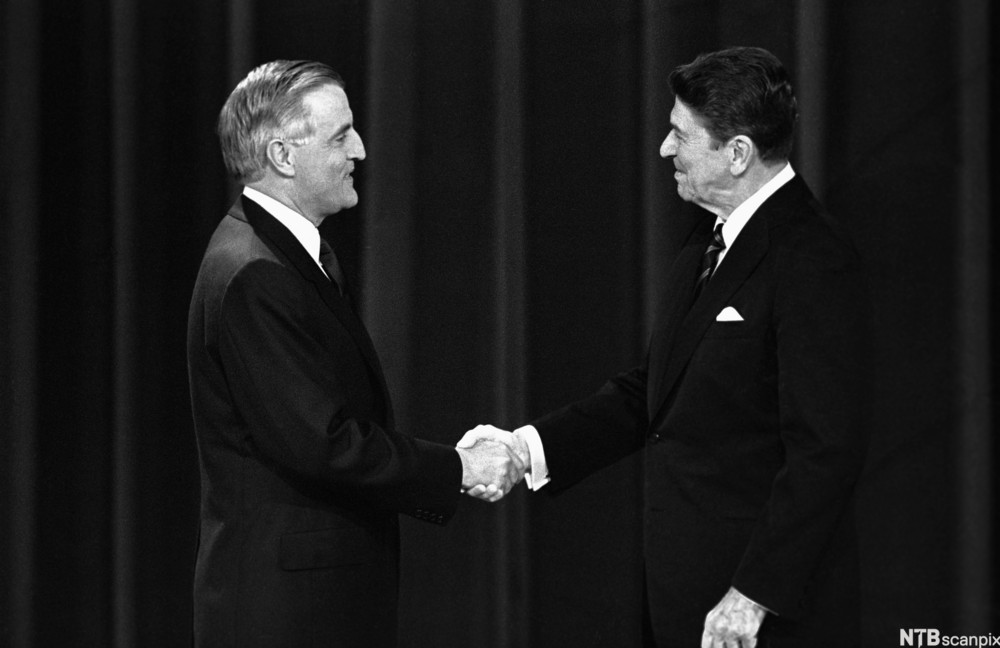 Still, he did face speculation of diminishing mental capacity during his presidency. In the aftermath of a poor performance in Reagan’s first debate with Democratic challenger Walter Mondale, a New York Times
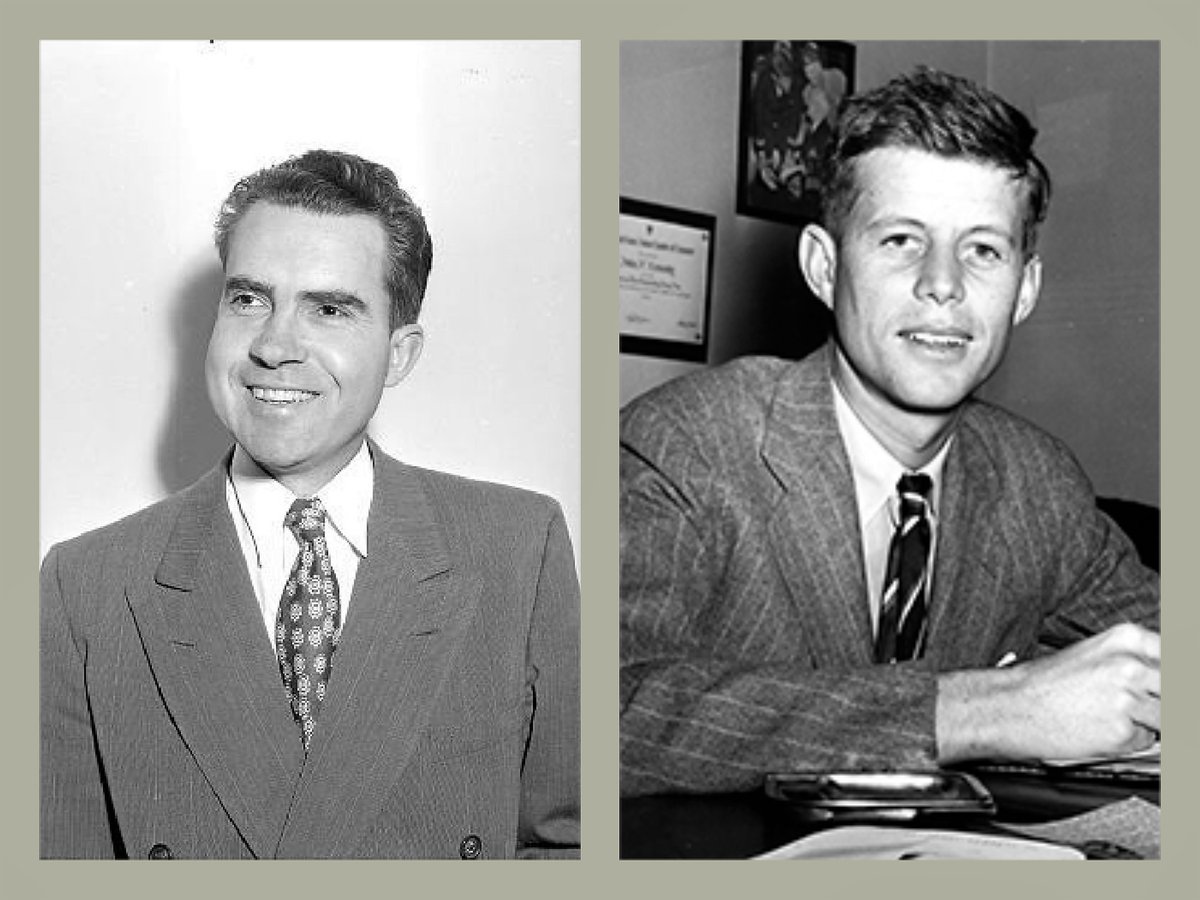
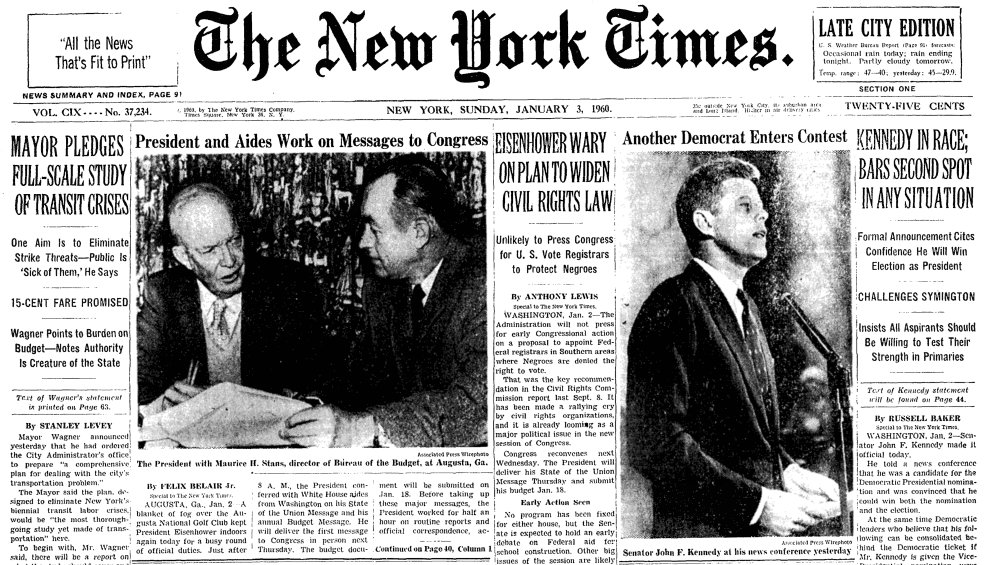
 Four years before the 19
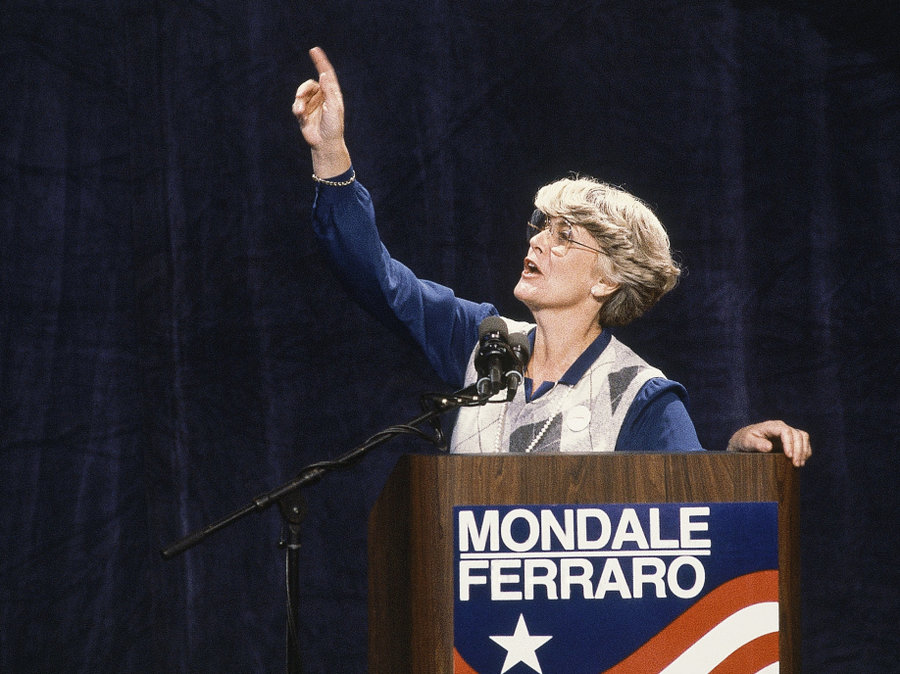 Mondale, who won the Democratic nomination. Formerly a member of the House of Representatives, Ferraro was the first female vice presidential candidate for a major party. Not surprisingly, the media focused on the novelty of a female on a major ticket and critiqued her on inexperience. Reporters called into question her marriage, family finances, and even tried to invent a connection to the Italian mob based on her family’s heritage. The campaign never recovered, and Reagan/Bush went on to win decisively in November.
 via scooter. The French barely blinked. In the 1990s, when Bill Clinton faced accusations of adultery while in office, the affair consumed the country. For Americans, the private lives of politicians and public officials are often important indications of their character.
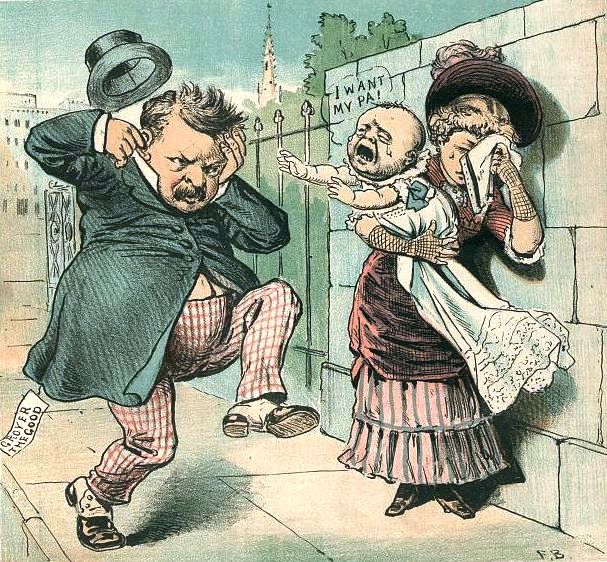 Cleveland claimed that the paternity was uncertain; his supporters dismissed the allegations as “boys being boys” although in 1884, Cleveland was 47 years old. Republicans reveled in this, and would gather to chant “
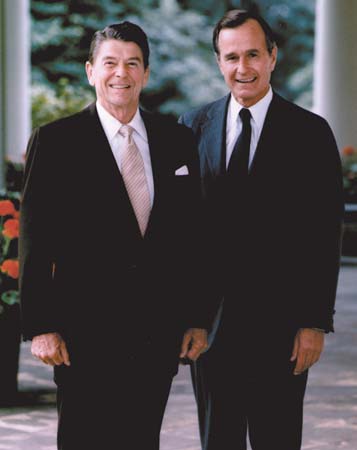 Jackson in 1836. This feat would not be repeated until 152 years later, when George H.W. Bush became president after serving as Ronald Reagan’s VP for eight years.
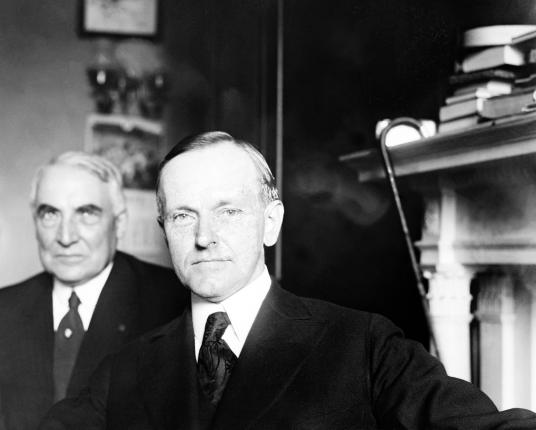
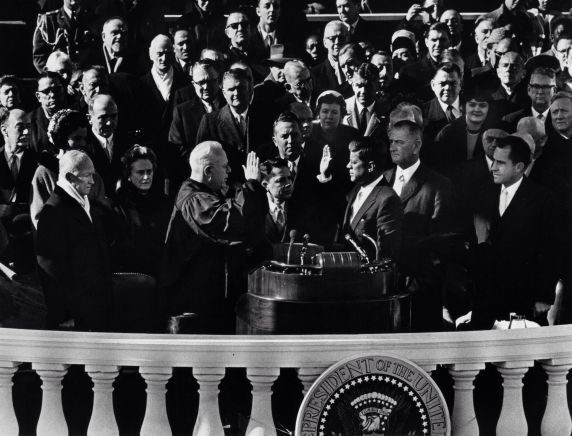
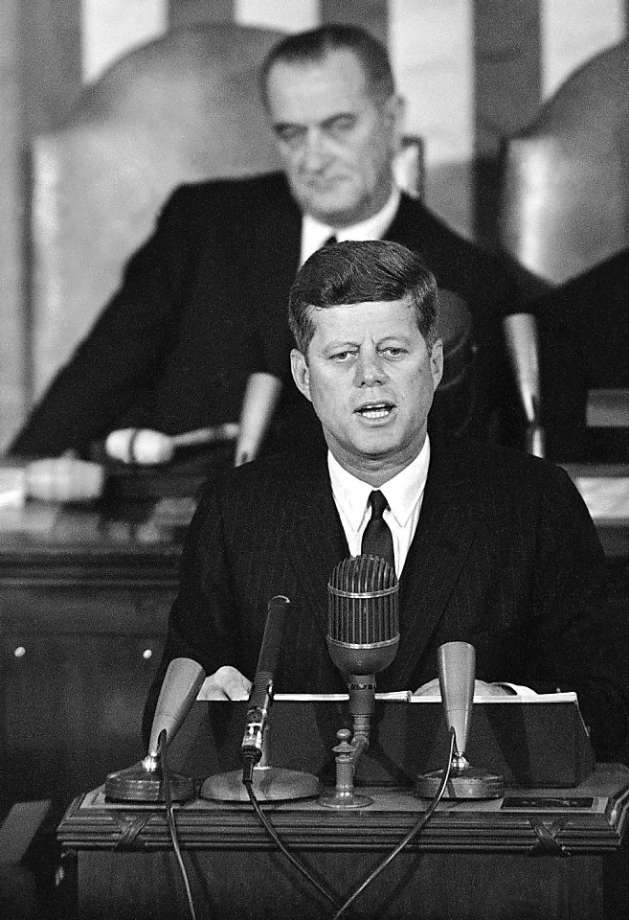 death of the incumbent–eight vice presidents became president this way, including Calvin Coolidge, Teddy Roosevelt, and LBJ, who once eerily remarked before Kennedy’s inauguration that he’d accepted the number two spot because, statistically, there was a one in four chance Kennedy could die in office.
 History First