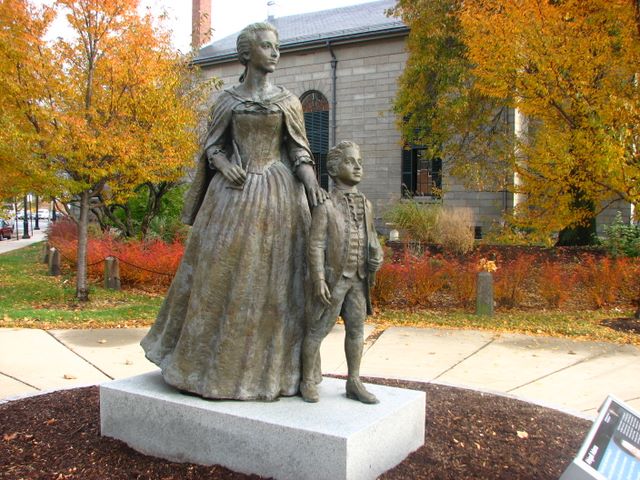
By Kaleena Fraga
While John Adams convened at the First Congress, Abigail Adams wrote her husband a letter reminding him to:
“Remember the ladies…remember all men would be tyrants if they could. If particular care and attention is not paid to the ladies we are determined to foment a rebellion, and will not hold ourselves bound by any laws in which we have no voice or representation.”
In his reply, John Adams was light-hearted, telling his wife:
“Depend on it, we know better than to repeal our masculine systems…in practice you know we are the subjects. We have only the name of masters, and rather than give up this, which would completely subject us to the despotism of the petticoat, I hope General Washington and all our brave heroes would fight.”
Her early (early) wave feminism continued. Later in life, Abigail sent a note along with a  book she’d purchased for her niece, which she’d discovered portrayed women as unequal to men. The note was a warning to read the book with a grain of salt. Abigail wrote: “I will never consent to have our sex considered in an inferior point of light.”
Abigail Adams had no formal education, but benefited from the libraries of her father and grandfather, of which she had free reign as a girl. She took a special interest in philosophy, theology, Shakespeare, the classics, history, government, and French. Her wit and intelligence is preserved in the letters she wrote in her lifetime–to her husband, to friends, and to political frenemies like Thomas Jefferson.
She advocated for equal education for boys and girls, believed in emancipation for American slaves, and, above all, in the cause of independence. Although they spent many years apart (once, while John Adams lived in Europe, they spent a consecutive five years without seeing each other), Abigail and John Adams remained close throughout their marriage. Abigail Adams was a political partner as well. During her husband’s presidency, some even darkly referred to her as Mrs. President.
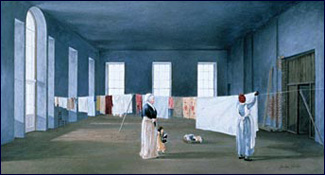 Abigail Adams was the first First Lady to live in the White House. She and John Adams moved to Washington D.C. from Philadelphia once the mansion was finished. As she wrote a friend, the executive mansion was huge and sparse. “It is habitable by fires in every part, thirteen of which we are obliged to keep daily, or sleep in wet and damp places.” Abigail used today’s East Room to dry the family’s laundry.
When she died, Abigail’s son John Quincy Adams (who would go on to be president himself) wrote in his diary, “My mother was an angel upon earth. She was a minister of blessing to all human beings within her sphere of action. Her heart was the abode of heavenly purity. She [had no] feelings but of kindness and beneficence; yet her mind was as firm as her temper was mild and gentle.”
Despite her forward-thinking views, and despite Abigail Adams’ relationship with men in power like John Adams and Thomas Jefferson, she would not see equality between men and women in her lifetime. Women would not have the right to vote for another 143 years from the time she asked her husband to “remember the ladies.”

 Barbara Bush met her husband at sixteen and married him four years later, after his brush with death during WWII. Before marriage Mrs. Bush had enrolled in Smith College–she was a voracious reader as a girl–and helped out in the war effort by
 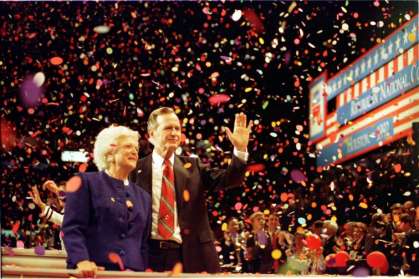 own political views, she was more outspoken before and after H.W.’s term in office. During his vice presidential run she
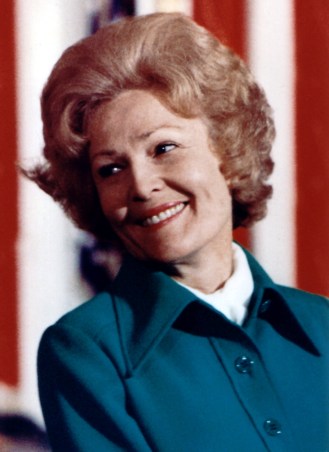 In honor of Women’s History Month, History First is going to spend some time talking about the women standing beside American presidents. First–one of our favorites: Pat Nixon.
 Still, the two came from similar backgrounds of hard work and tough luck, and Pat seems to have changed her mind. Two years after they met, she accepted his proposal of marriage.
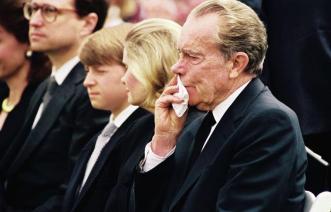 The marriage was far from perfect–Pat once wrote a friend that when it came to household chores, “Dick is always too busy, at least his story, so I do all the lugging, worrying and cussing,”–but their relationship remained solid. It takes only a look at Richard Nixon’s face at the funeral of his wife to see the impact she had on him. And not only him–but the on the lives of the hundreds of thousands of Americans who visit the White House, and the First Ladies who followed in her footsteps and her example.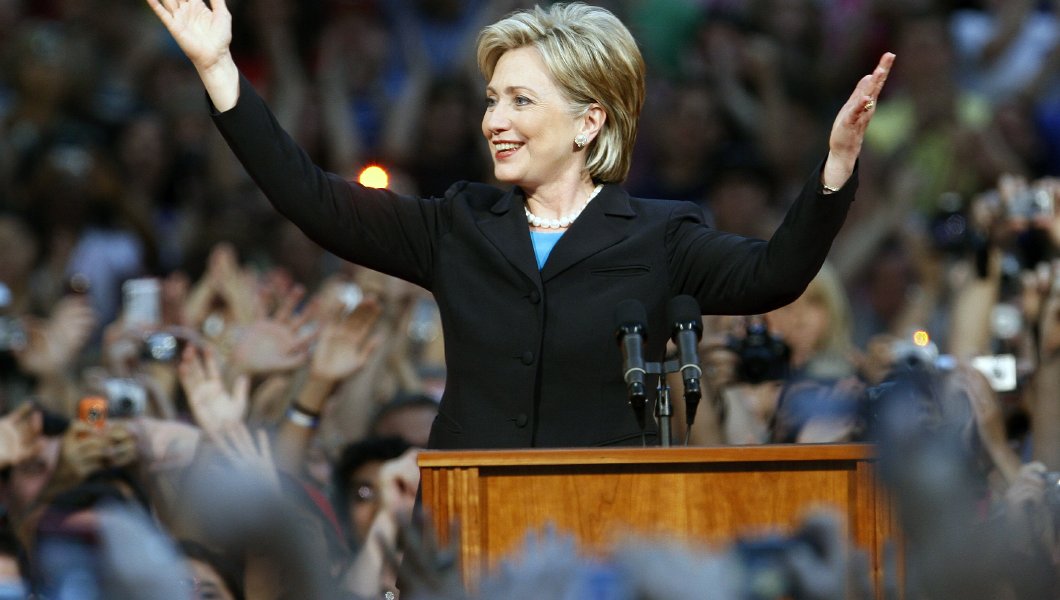
 Four years before the 19
 Mondale, who won the Democratic nomination. Formerly a member of the House of Representatives, Ferraro was the first female vice presidential candidate for a major party. Not surprisingly, the media focused on the novelty of a female on a major ticket and critiqued her on inexperience. Reporters called into question her marriage, family finances, and even tried to invent a connection to the Italian mob based on her family’s heritage. The campaign never recovered, and Reagan/Bush went on to win decisively in November.
  History First